

A Quick Guide to Wood Finishes
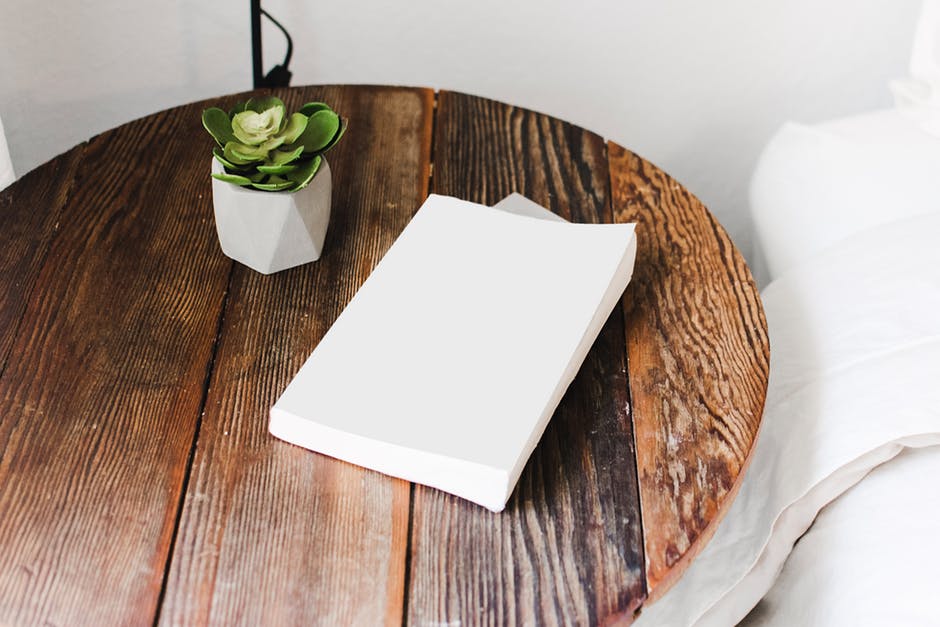
Finishing a piece of wood furniture is a fun, and rewarding experience.
As daunting as the process may sound, it’s actually very simple if you know what you’re working with.
If you’ve ever looked at a beautiful piece of wood furniture and thought, “I wish I could do that,” keep reading for a closer look at wood finishes and how to use them.
To Stain or Not to Stain?
Before you put a final protective finish on your furniture, it’s important to consider how you want the wood to look.
If you love the look and feel of natural wood, you can apply a simple wood finish. This will capture the natural look of the wood and add a nice glossy sheen – depending on the finish you choose.
If you want to darken the color of the wood, or give it a slightly different color, apply a wood stain before adding a final finish.
Oil-based stains are found in a number of colors and shades and are typically applied with a lint-free cloth or brush.
Picking the Right Wood Finishes
There are many different ways to finish wood furniture and other items. Here are a few the most popular and effective wood finishes.
Polyurethane
Polyurethane is a type of wood varnish that coats the surface of the wood, protecting it from moisture and wear. If you really want your piece of furniture to last or withstand heavy use, polyurethane is one of the best finishes you can use. It works great for high use furniture like kitchen tables.
Tung Oil
This is another common finish that acts as a penetrant. Tung oil absorbs into the wood, rather than coating the surface like polyurethane.
Shellac
A natural wood finish, shellac is made from the resin secreted by the Lac bug. Shellac is not quite as durable as polyurethane but adheres nicely to a variety of woods.
Lacquer
The choice of furniture manufacturers, lacquer is a tough protective coating ready to stand up to years of use.
Apply Your Finish Like a Pro
Once you’ve applied a stain and/or chosen a finish, it’s time to for application. Properly applying a wood finish is crucial to the long term health of your furniture.
Polyurethane works best with a brush. Three to four coats are usually needed, with some light sanding between coats.
Apply tongue oil with a rag, rubbing it into the surface in several coats.
Shellac and lacquer both work well with a brush. Several coats should be applied with these finishes, with sanding done between coats.
Your Turn
Selecting and applying wood finishes doesn’t have to be difficult. If you start with a quality piece of furniture and the right finish, you can easily create a beautiful heirloom-quality piece.
Ready to get started on your next furniture project? Try creating a table and adding your own flavor with a finish of your choice.